There’s a certain calm in imagining a job where your office is surrounded by trees, the occasional chirp of birds punctuating your morning, and the smell of earth after rain as your constant companion. For a lot of people, the forest isn’t just scenery—it’s life, a living ecosystem that deserves care and attention. And for those who want to work closely with it, India’s Van Vibhag offers opportunities that blend responsibility, purpose, and stability in ways few other jobs can.
When people hear about forest department work, they often think of wildlife rangers or forest guards trekking through dense terrain. While those roles exist, the truth is that Van Vibhag is much more diverse than that. There are clerical positions, technical posts in nurseries, driver jobs, and supervisory roles, all essential to keeping the department functional. Every task, whether it’s filling reports, planting saplings, or coordinating with local communities, contributes directly to conservation and forest management.
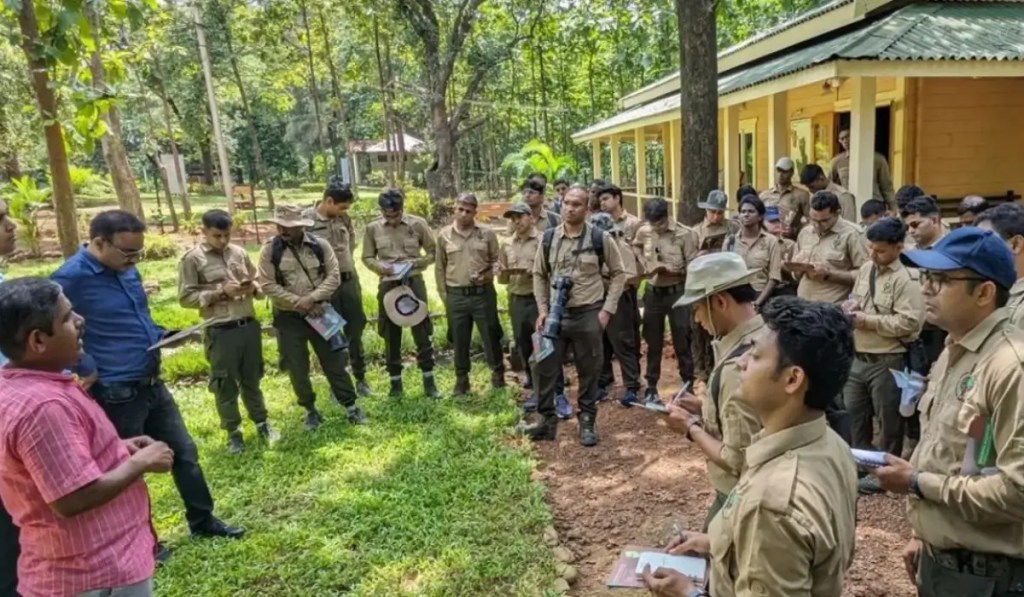
For aspirants, the starting point is often the official notifications. These are where the phrase van vibhag recruitment comes into play—a term that signals a doorway to a structured career path. Recruitment drives can vary by state, and announcements aren’t always flashy. Sometimes they quietly appear on state government portals or in employment news. That’s why aspirants tend to develop a habit of regularly checking official channels and cross-verifying information, because missing a notification could mean waiting months for the next opportunity.
The eligibility criteria for Van Vibhag jobs depend heavily on the role. Some positions require just a basic educational qualification, while others demand a specialized degree in forestry, environmental science, or wildlife management. Age limits are usually set according to category, and physical standards matter for field positions. It’s not uncommon for forest guard or field officer posts to require endurance tests or proficiency in navigating rough terrain. For many candidates, this is the first reality check: working in forests isn’t about comfort—it’s about preparation and adaptability.
The application process itself has modernized over time. Whereas candidates once stood in long lines with thick files under their arms, now most states allow you to apply online. Still, that convenience comes with its own challenges. Uploading the correct documents, entering precise personal information, and meeting deadlines requires focus. A small mistake can mean disqualification, so it’s worth double-checking everything before hitting submit.
Once the application is accepted, the preparation begins. Written exams often cover general knowledge, reasoning, environmental awareness, and current affairs. Candidates also need to study the geography and ecology of their own state. Physical fitness is equally important, especially for posts that require fieldwork. Early mornings, long runs, and endurance practice become part of daily routines. It’s not glamorous, but it’s effective.
The lifestyle that comes with Van Vibhag jobs can be an adjustment. Forest postings often mean staying in remote areas, sometimes far from markets, schools, or reliable internet. Transfers are common, and isolation can be an initial shock. But for many employees, that same solitude becomes a blessing, a break from the constant buzz of urban life. It’s a chance to slow down, observe, and truly connect with your work.
Of course, bureaucracy is part of the deal. Filing reports, coordinating with multiple departments, managing permits—all of these administrative tasks are part of daily life. It might seem dull compared to fieldwork, but they are crucial. Good employees learn to navigate the paperwork as skillfully as they navigate the forest trails.
One of the most compelling aspects of working with Van Vibhag is the tangible impact. You can see the results of your efforts: reforested areas flourish, wildlife populations stabilize, and local communities benefit from sustainable forest management. Unlike many modern jobs, where progress is abstract or delayed, here the outcomes are visible, immediate in some cases, and deeply satisfying.
Candidates looking for openings will often encounter the phrase van vibhag vacancy. These vacancies are the gateways to meaningful employment, but they can be fleeting. Many applicants subscribe to alerts, monitor official websites, and network with peers to ensure they don’t miss a posting. Timing and preparation matter—being ready when the vacancy arises can make all the difference.
Beyond the tangible benefits, there’s an understated respect that comes with forest department employment. Local communities often know their forest officers by name, and there’s pride in representing a government institution dedicated to conservation. The work may not offer headlines or viral stories, but it builds quiet credibility, which often resonates more deeply than recognition in more crowded professions.
The nature of the work also teaches patience. Trees don’t grow overnight. Wildlife conservation doesn’t show results in a week. Policy changes and reforestation efforts take months and years to bear fruit. For those who appreciate long-term impact, this slow pace is actually a feature, not a flaw. It cultivates perspective, resilience, and a connection to the natural rhythm of the world.
Despite the challenges—remote postings, rigorous physical requirements, and bureaucratic navigation—the Van Vibhag offers stability and purpose. Salaries are predictable, benefits are structured, and there’s long-term security, all within a context that allows for meaningful engagement with the environment. For many, that balance is rare and precious.
If you’re considering this path, the advice is simple: be proactive, prepared, and patient. Study notifications carefully, gather the required documents, train physically, and familiarize yourself with local forest ecosystems. Speak to current employees if possible—they offer invaluable insight. And above all, approach the role with respect for the work and the environment. It’s a job, yes, but it’s also a responsibility and a privilege.
 pulsemarket