There’s a quiet thrill in walking onto a freshly completed tennis court. Maybe it’s the sound of the ball bouncing perfectly, or the visual satisfaction of crisp lines against a smooth surface. For many people, a court is more than just a place to play—it’s a personal retreat, a social hub, or even a canvas for self-expression through sport. But getting from imagination to reality isn’t as simple as drawing a rectangle on your yard. It takes planning, expertise, and, most importantly, attention to detail.
One of the first things to consider is the foundation—the heart of any playable surface. Here’s where the choice of tennis court flooring matters. It’s not just about looks; the surface affects every aspect of your game, from ball bounce to player comfort and safety. Hard courts, clay, grass, and synthetic surfaces each have distinct characteristics. Hard surfaces are durable and predictable, making them great for frequent play, while clay slows the ball and creates longer rallies, perfect for strategic players. Grass has that slippery charm but demands constant upkeep. And synthetic options can blend durability with comfort, reducing stress on knees and joints while offering a consistent bounce. Choosing the right flooring is less about what’s “best” and more about what suits your play style, climate, and maintenance willingness.
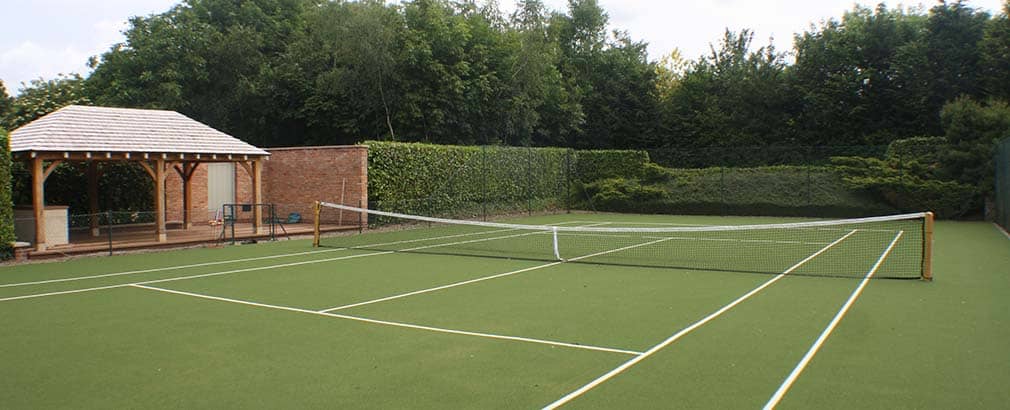
Beyond the surface, proper drainage and site preparation are crucial. Even the most durable flooring won’t perform well on an uneven or waterlogged base. Builders usually recommend grading the site, compacting soil layers, and installing drainage systems to prevent puddling and erosion. It may sound mundane, but a misstep here can turn a dream court into a frustrating mess. Good flooring is only as good as the foundation it sits on.
Once the surface is decided, attention shifts to the design and layout. A regulation singles court measures 27 feet wide by 78 feet long, with doubles adding nine extra feet in width. While backyard projects may need slight adjustments due to space constraints, the more you can adhere to these official dimensions, the more natural the game will feel. Proper spacing around the court is equally important—players need room to chase balls safely without risk of hitting fences, trees, or walls. Even small errors in planning can make rallies feel cramped and less enjoyable.
Line marking and finishing touches also play a surprisingly big role in how a court feels and functions. Crisp, clear lines not only improve gameplay but also enhance the visual appeal. Using high-quality paint or coatings ensures durability and reduces frequent touch-ups. These details may seem minor during construction, but when a ball rolls perfectly along a line or the court looks sharp in photos, it becomes obvious that small investments in finishing pay off.
Now, let’s talk about the real-world side of things: cost. A lot of people start with a budget in mind but underestimate how much good design, quality materials, and proper labor will add up. Cutting corners might save money upfront, but it can compromise the lifespan of the court and the quality of play. Investing in experienced builders and reliable flooring ensures fewer repairs, lower maintenance costs, and a much more enjoyable experience for years to come.
Speaking of construction, hiring the right team is often the difference between a smooth process and endless headaches. A skilled tennis court construction team handles grading, drainage, installation, and finishing with efficiency and foresight. They understand how to adapt plans to the land, work with local weather patterns, and ensure the court meets both aesthetic and functional expectations. Experienced builders can also advise on small but crucial details—like court orientation to minimize sun glare, proper fencing, or lighting options for evening play—that can dramatically improve your experience.
Maintenance planning is another piece of the puzzle. Even the sturdiest flooring needs care over time. Hard surfaces benefit from periodic cleaning and resurfacing, clay courts require rolling and watering, and synthetic surfaces need inspection and occasional touch-ups. Investing in quality materials and proper construction reduces how often major maintenance is needed, allowing you to spend more time playing and less time worrying about repairs. A court that’s well-built and well-maintained also retains value, both practical and aesthetic, over decades.
Weather considerations are essential, especially for outdoor courts. Extreme heat, heavy rain, or cold snaps can all impact surface performance. Proper construction and quality flooring materials help mitigate these effects. Synthetic coatings, for example, often resist cracking under sun exposure, while drainage systems prevent puddles from forming after rain. Understanding how local climate interacts with your court ensures it remains playable and enjoyable year-round.
Beyond technicalities, there’s the human element—the joy a well-built court brings. Families gather for weekend matches, kids practice their first serves, and friends share laughs over friendly competitions. A thoughtfully designed court invites these experiences and turns what could be a flat piece of land into a vibrant space of activity and connection. Investing in proper construction and durable flooring ensures these moments happen safely and consistently.
 pulsemarket