Cancer has a way of turning life upside down. One day, you’re worrying about work deadlines or weekend plans, and the next, everything is consumed by scans, test results, and unfamiliar medical jargon. In those moments, choosing where to seek treatment can feel like one of the heaviest decisions you’ll ever make. It’s not just about a hospital; it’s about finding a place that combines knowledge, empathy, and a sense that someone truly sees you.
India’s oncology landscape has grown remarkably over the past few decades. From humble beginnings, the country now boasts hospitals that combine cutting-edge technology with a deeply human approach to care. People travel from across the nation—and even internationally—to receive treatment here. And yet, the sheer number of options can feel overwhelming, leaving patients and families searching for guidance, reassurance, and a sense of stability.
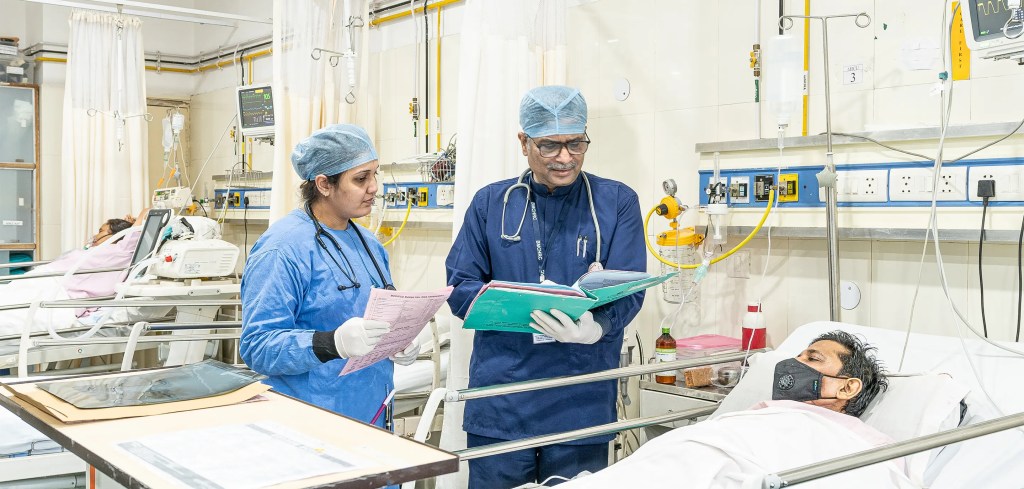
Ultimately, what makes a hospital stand out isn’t just its equipment or a wall full of medical degrees. It’s the little moments that make a difference: a nurse who patiently explains a procedure, a doctor who listens to questions without rushing, or administrative staff who guide paperwork smoothly. Care is as much about human connection as it is about treatment protocols, and the hospitals that recognize this are the ones patients remember.
Advanced technology plays a key role in modern oncology. Today, Indian hospitals offer precision radiotherapy, robotic surgery, advanced imaging, and targeted therapies that have transformed outcomes. But technology alone doesn’t define quality. The hospitals that make the most impact are the ones that know when to use these tools—and when to pause for the patient’s comfort. Aggressive treatment isn’t always the answer, and balancing quality of life alongside medical outcomes is often the wisest approach.
Collaboration is another pillar of strong cancer care. Multidisciplinary teams—comprising surgeons, oncologists, radiologists, pathologists, and counselors—working together can significantly improve treatment outcomes. These behind-the-scenes discussions might be invisible to patients, but the benefits show in a coherent, well-thought-out care plan. Fewer mistakes, fewer blind spots, and a sense that the hospital is truly coordinating care make a difference you can feel.
Financial concerns inevitably shape the treatment journey. Cancer care anywhere can be costly, but India has carved a reputation for delivering advanced care at comparatively affordable rates. Many hospitals also help patients navigate insurance claims, government schemes, or charitable funding. While these resources don’t erase the stress, they can make treatment more manageable and less overwhelming.
Late at night, when anxiety creeps in, many families type the same phrase into search engines: best oncology hospital in india . But this search is less about rankings and more about reassurance. People want to know there’s a place where skill meets compassion, where professionals will guide them through uncertainty with honesty and patience. “Best” isn’t a universal label—it’s highly personal, depending on what matters most to the patient and family.
Location is often more important than we realize. Large cities may offer access to specialists and clinical trials, while smaller cities can provide a sense of stability, familiarity, and proximity to family. Being near home can reduce travel stress, allow easier family support, and offer comfort in routine—even something as simple as favorite foods or a familiar bed can contribute to a sense of well-being. These subtle comforts sometimes have a profound effect on recovery.
Another important aspect is communication. Many Indian hospitals are shifting toward transparency, encouraging patients to engage actively in decisions about their care. Being informed about treatment options, side effects, and outcomes can reduce anxiety and help patients regain a sense of control. Honest conversations, even when difficult, create trust—a foundation that is as vital as any medical procedure.
Support services, often overlooked, are also evolving. Counseling, nutritional guidance, rehabilitation, pain management, and palliative care are increasingly integrated into treatment plans. Cancer doesn’t just affect the body—it affects emotions, relationships, and identity. Hospitals that acknowledge this holistic impact tend to leave a lasting impression on both patients and families.
Selecting an oncology hospital in india is rarely a purely logical choice. Instinct, personal interactions, recommendations, and small practicalities all influence the decision. Sometimes it’s a doctor who takes the time to explain twice, a nurse who notices small changes, or staff who make patients feel seen. These seemingly minor factors often shape trust and comfort far more than brochures or online reviews ever can.
There is no perfect answer or universally “right” hospital. Some patients prioritize cutting-edge research, while others value warmth, familiarity, or ease of travel. Most try to strike a balance between both, and that uncertainty is natural. It doesn’t make the choice wrong—it makes it human.
 pulsemarket