There’s a certain kind of ambition that doesn’t crave speed. It isn’t impressed by buzzwords or corner offices. It wants steadiness, relevance, and a sense that the work you do today will still matter tomorrow. Forest department careers quietly attract people like that. They don’t dominate headlines or trend on social media, yet they continue to pull in aspirants year after year.
In a world obsessed with instant results, choosing this path feels almost countercultural. And maybe that’s exactly why it still works.
Why Forest Department Jobs Feel Different
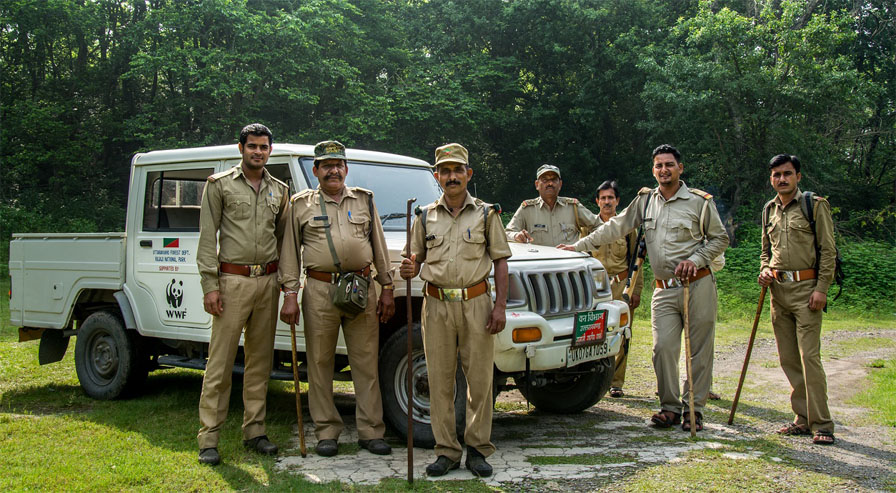
Most modern jobs are built around outputs you can’t touch. Numbers on dashboards. Metrics that reset every quarter. Forest department work is the opposite. It’s rooted in land, people, weather, and time. Decisions made today might show results years later, sometimes decades.
That long view is what draws many candidates. Forests aren’t temporary projects. They’re living systems. Protecting them requires consistency more than brilliance, patience more than urgency. People preparing for van vibhag recruitment often understand this instinctively, even if they can’t always put it into words.
They’re not just looking for employment. They’re looking for work that feels anchored.
A Wide Spectrum of Roles, One Shared Purpose
Another misconception is that forest department jobs are narrowly defined. In reality, the system depends on a wide range of roles. Field staff monitor forest areas, prevent illegal activities, and manage wildlife concerns. Administrative teams handle permissions, records, and coordination between departments. Drivers, technicians, surveyors, and support staff keep operations functional.
Each role may look different on paper, but they’re connected by context. A file processed in an office might determine how a patch of forest is used. A vehicle driven safely through rough terrain might enable an inspection that prevents long-term damage.
This closeness to real outcomes gives even routine work a sense of weight. You’re rarely detached from the consequences of your actions.
Stability Without the Illusion of Ease
Let’s be honest — stability plays a big role in the appeal. Government jobs still offer predictability that many private roles don’t. Fixed salaries, service benefits, and long-term security provide reassurance, especially during uncertain economic times.
But forest department jobs don’t pretend to be easy. Postings can be remote. Facilities may be basic. Workdays can stretch longer than planned. Weather and terrain don’t respect schedules.
Those who stay usually accept this trade-off early. They understand that stability here isn’t about comfort; it’s about continuity.
The Recruitment Journey: Patience Required
Forest department recruitment follows its own rhythm. Notifications appear when administrative needs align. Exams take time. Results demand patience. For first-time aspirants, this can feel frustrating.
Over time, many learn to see it differently. The slow pace acts as a filter. It weeds out people looking for quick wins and leaves behind those genuinely interested in the work.
Preparation becomes a long-term habit rather than a short-term sprint. You study general knowledge, environmental topics, and state-specific material. You work on physical fitness if the role demands it. You stay informed without letting anxiety take over.
Understanding Vacancies Beyond the Numbers
Every recruitment cycle brings the same conversations: how many posts are available, how tough will the competition be, what are the chances this year? These questions are natural.
But a van vibhag vacancy is more than a statistic. It represents a real gap in the system — an area that needs supervision, an office that needs support, a team that needs manpower. Viewing vacancies this way changes how you approach preparation. It becomes less about racing others and more about being genuinely ready.
Aspirants who last in this journey often stop chasing numbers and start focusing on suitability.
Physical and Mental Readiness Go Hand in Hand
Unlike many desk-based careers, forest department roles don’t allow you to ignore physical readiness. Even positions that are largely administrative can involve travel, inspections, or sudden field duties.
Physical tests and medical checks aren’t symbolic hurdles. They reflect everyday realities of the job. Long walks, uneven terrain, unpredictable schedules — these aren’t exceptions.
Mental readiness is just as important. Forest department work often involves ambiguity. Situations don’t always have clear answers. Balancing conservation goals with human needs requires judgment, empathy, and restraint.
People who thrive tend to be calm under pressure and open to learning from experience.
Life After Selection: Reality Sets In
Selection brings relief and pride, but it also brings adjustment. Training introduces recruits to laws, procedures, and departmental culture. It also introduces them to practical realities that no notification ever mentions.
Postings may take you far from familiar surroundings. Connectivity can be limited. Comfort zones shrink. At first, this can feel isolating.
Over time, many find it grounding. You develop routines shaped by daylight and seasons rather than notifications. Colleagues become companions bound by shared responsibility. The work stops feeling abstract and starts feeling personal.
Growth That Respects Time
Career growth in the forest department is steady, not dramatic. Promotions depend on service years, exams, and performance. It’s not fast, but it’s transparent.
Experience carries real value here. Someone who understands ground realities earns respect that titles alone can’t buy. That respect builds slowly, but it lasts.
This kind of growth may not impress on paper, but it holds up over decades.
Choosing This Path With Clarity
Forest department careers aren’t designed to impress everyone. They demand patience, adaptability, and a willingness to live slightly outside mainstream expectations. But for people who value service, stability, and meaningful contribution, they offer something rare.
 pulsemarket