Careers have become noisy things. Everyone seems to be chasing the next big opportunity, the faster promotion, the louder success story. In the middle of all that, forest department jobs sit quietly, almost patiently, waiting for the right kind of people to notice them. They’re not flashy. They don’t promise overnight success. But they offer something many modern careers struggle to provide — a sense of purpose that lasts longer than a job title.
For many aspirants across India, especially those who value stability and service, working with the Van Vibhag feels like choosing a different rhythm of life. One that moves with seasons instead of deadlines, and with responsibility instead of hype.
Why These Jobs Still Matter
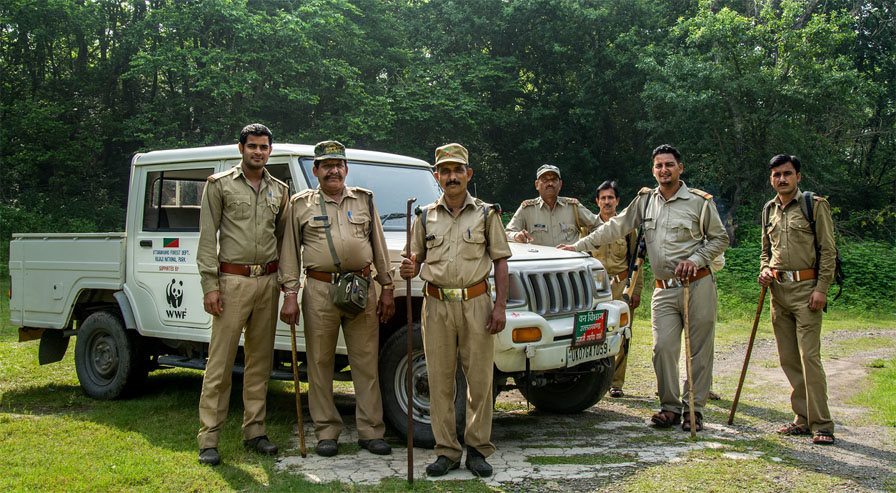
It’s easy to underestimate the importance of forest department work until you step back and look at the bigger picture. Forests regulate climate, support livelihoods, and protect biodiversity. Behind all of that are people doing daily, often invisible work — monitoring land, enforcing laws, resolving conflicts, and keeping systems running.
This is why interest in sarkari naukri van vibhag roles hasn’t faded, even as career trends shift. These jobs connect directly to something tangible. You’re not just completing tasks; you’re protecting resources that affect millions of lives, even if they never know your name.
There’s also a deep sense of accountability involved. Decisions taken on the ground can have long-term consequences. That weight can be challenging, but it also makes the work meaningful.
A Wide Range of Roles, One Shared Purpose
One common myth is that forest department jobs are limited to guards patrolling trees. In reality, the department functions like a small ecosystem of its own. Field roles are important, but so are administrative staff, technical experts, drivers, and support teams.
Each role plays a part in keeping the system functional. Clerical staff manage records that guide policy decisions. Drivers ensure teams reach remote locations safely. Technical staff support surveys, mapping, and conservation planning.
What ties all these roles together is context. Even desk-based work feels connected to the field. Files represent real land, real wildlife, and real people. That connection keeps the work grounded.
Stability With Its Own Set of Challenges
Let’s be honest — stability is a major attraction. Government jobs still provide a sense of security that many private roles can’t match. Regular income, benefits, and long-term service protections make a difference, especially in uncertain times.
But forest department jobs aren’t cushy. Postings can be remote. Infrastructure may be limited. Weather and terrain don’t adjust to comfort. The job demands flexibility, patience, and a willingness to adapt.
Those who apply usually know this. They aren’t looking for ease. They’re looking for reliability, paired with work that doesn’t feel hollow.
Applying in the Digital Age
Recruitment processes have changed significantly over the years. What once involved paper forms and long queues has largely moved online. Notifications are published on official portals, applications are submitted digitally, and updates are tracked electronically.
For many aspirants, learning how to van vibhag apply online is now part of the preparation process. It requires careful attention — checking eligibility, uploading correct documents, and meeting deadlines without error. The systems aren’t always perfect, and patience becomes essential.
This shift has also broadened access. Candidates from distant areas can now apply without traveling long distances, making the process more inclusive, even if it comes with technical frustrations.
Preparation Beyond the Syllabus
Success in forest department recruitment isn’t just about clearing a written exam. Physical fitness tests, medical checks, and document verification all play crucial roles. These steps aren’t formalities; they reflect the realities of the job.
Mental preparation is equally important. Working in the forest department often means dealing with uncertainty. Emergencies arise. Plans change. Situations demand judgment rather than strict rule-following.
Aspirants who understand this tend to prepare differently. They focus not just on marks, but on building resilience and adaptability.
Life After Selection: A Different Kind of Routine
Once selected, training begins. Laws, procedures, and departmental culture are introduced. But the real learning happens on the job. You adjust to new environments, new responsibilities, and often a new way of measuring time and success.
Postings can take you far from urban centers. Connectivity might be limited. But what you gain is perspective. You see how policies translate into action. You understand local challenges intimately. Colleagues become close allies rather than competitors.
Over time, the work shapes you. You become more observant, more patient, and often more grounded.
Growth That Respects Experience
Career growth in the forest department follows a steady, structured path. Promotions come through experience, exams, and performance. It’s not fast, but it’s transparent.
Experience matters here. Someone who has spent years understanding field realities carries authority that can’t be faked. This respect for experience gives the career a sense of fairness that many people appreciate.
Choosing This Path With Open Eyes
Forest department jobs aren’t for everyone. They demand patience, adaptability, and a willingness to live outside the mainstream at times. But for those who value service, stability, and meaningful work, they offer something rare.
 pulsemarket