Roller skating has remained a favorite recreational activity for decades, appealing to people of all ages. From casual skaters enjoying a weekend outing to competitive athletes training for events, the quality of the rink plays a central role in the experience. One of the most important aspects in building or maintaining a facility is the choice of skating rink surfaces . Equally crucial is selecting the right roller skating rink surface to ensure safety, performance, and long-term durability.
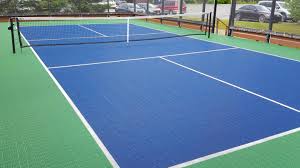
Why Surfaces Matter in Skating Rinks
The surface of a skating rink determines not only how enjoyable the activity is but also how safe it will be. A poorly designed or maintained surface can increase the risk of accidents, limit skating styles, and reduce the lifespan of the facility. On the other hand, a properly engineered floor provides smoothness, grip, and resilience, allowing skaters to perform with confidence whether for fun or in competitions.
Types of Skating Rink Surfaces
There are several options when it comes to designing skating rink floors. Each type serves specific purposes depending on the location, usage, and budget of the rink.
1. Concrete
Concrete is one of the most common bases for roller skating rinks. It offers long-lasting strength and is relatively cost-effective. However, plain concrete may be too rough for skaters, which is why it is often enhanced with coatings or overlays to create smoother performance.
2. Hardwood
Hardwood, especially maple, has long been a favorite for indoor rinks. It provides exceptional smoothness, consistency, and speed, making it ideal for artistic skating and roller dancing. The downside is that it requires frequent upkeep such as refinishing, polishing, and repair to keep it in top condition.
3. Synthetic Flooring
Synthetic flooring is increasingly popular due to its durability and low maintenance needs. Made from modern materials such as polyurethane or high-density plastics, these surfaces offer consistent glide, strong impact resistance, and flexibility for multi-purpose venues. They are a great alternative to traditional hardwood.
4. Modular Interlocking Tiles
For portable or seasonal skating rinks, modular tiles are a convenient choice. These tiles can be quickly assembled and disassembled, making them ideal for temporary skating events or community spaces. They provide a good balance of performance and cost-effectiveness.
5. Coated Surfaces
Both concrete and wood can be enhanced with acrylic or polyurethane coatings. These improve traction, increase surface life, and provide customization through color and finish. Coated surfaces are particularly common in multipurpose facilities where aesthetics and performance matter equally.
Choosing the Right Roller Skating Rink Surface
When selecting a rink surface, several factors must be considered:
- Type of Skating: Competitive roller hockey requires durable, high-traction surfaces, while artistic skating needs smooth, fast-gliding floors.
- Indoor vs. Outdoor: Outdoor rinks need weather-resistant options like coated concrete or synthetic flooring, while indoor rinks often use hardwood or polyurethane-based materials.
- Budget: Hardwood and premium synthetic floors offer the best performance but come at higher costs. Concrete with coatings may be a more affordable alternative.
- Maintenance Requirements: Some surfaces require regular refinishing or re-coating, while others are designed to be low-maintenance.
Benefits of Quality Surfaces
Investing in high-quality rink surfaces offers multiple advantages, including:
- Enhanced safety with better grip and reduced risk of falls.
- Consistent skating performance across all skill levels.
- Increased durability and reduced long-term repair costs.
- Greater customer satisfaction and repeat visits for rink owners.
Maintenance Tips for Skating Rink Floors
No matter which material is chosen, proper maintenance is key to longevity. Regular sweeping and cleaning help reduce debris that could damage the surface. Periodic inspections ensure cracks, dents, or uneven areas are repaired promptly. For hardwood floors, refinishing every few years keeps them smooth and attractive. Synthetic surfaces, on the other hand, may require only occasional deep cleaning.
Conclusion
The choice of skating rink flooring can make or break the success of a roller skating facility. With various surface options available—from concrete and hardwood to synthetic flooring and modular tiles—owners can select the most suitable material based on budget, usage, and maintenance needs. By investing in quality materials and proper upkeep, rinks can provide safe, enjoyable, and long-lasting skating experiences for everyone.
 pulsemarket