Badminton is a fast-paced, skill-based sport that demands agility, speed, and quick footwork. To support high-level performance and reduce the risk of injury, selecting the right court materials is essential. Whether you’re building a court for a sports complex, school, or home use, understanding the differences in materials and surface options will help create a safe, durable, and player-friendly court.
The selection of badminton court materials significantly influences how the game is played. Traditionally, indoor badminton courts were built using hardwood flooring, especially teak or maple, due to their solid feel and long lifespan. These wooden courts are often finished with a protective polish to enhance grip and preserve the surface. While wood provides a consistent bounce and a natural playing feel, it requires regular maintenance to prevent warping, cracking, or moisture damage.
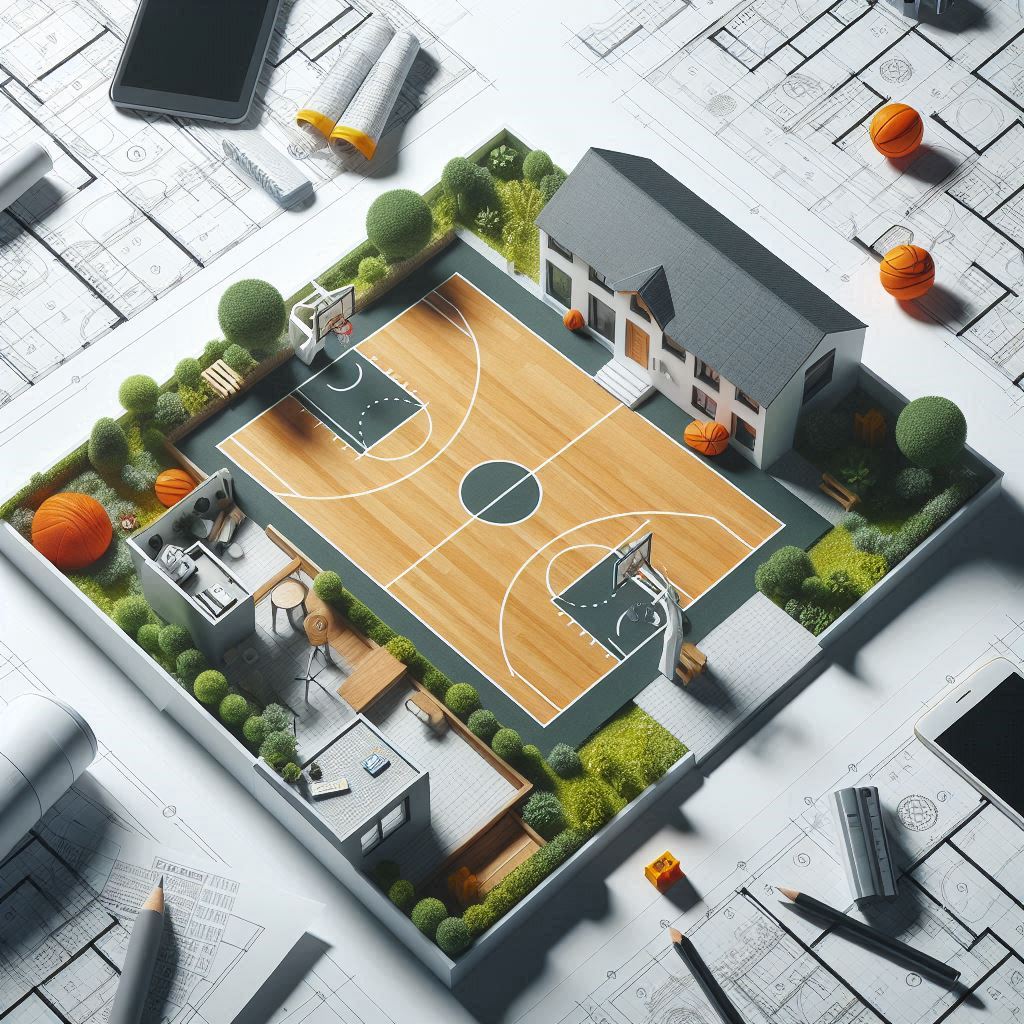
In modern setups, wood is often used as a sub-base for synthetic layers. This provides the best of both worlds—durability from the wood and comfort from the synthetic coating. The use of shock-absorbent padding below the top layer is becoming increasingly common, helping reduce stress on players’ joints and minimizing fatigue during long matches or training sessions.
For multi-use facilities, or where frequent cleaning is necessary, vinyl or PVC flooring has become a popular alternative. These materials are easy to clean, moisture-resistant, and provide reliable traction. PVC sheets are typically available in rolls and can be installed quickly, making them a preferred choice for commercial badminton courts.
If you’re aiming for a modern, low-maintenance solution, a synthetic badminton court offers multiple advantages. These courts are typically made using polyurethane, PVC, or acrylic materials layered over a stable base. Synthetic surfaces provide excellent grip, consistent bounce, and better shock absorption—crucial for player safety and comfort.
Moreover, synthetic courts are known for their resistance to wear and tear, even under heavy usage. They are easy to clean and maintain, and their anti-slip texture reduces the risk of accidents. Many sports centers now prefer synthetic courts for their long-term cost-effectiveness and professional appearance. You can also choose from various color options to match the branding or design of the facility.
Another advantage of synthetic courts is their adaptability—they can be installed both indoors and outdoors, making them suitable for a wide range of locations and climates.
 pulsemarket